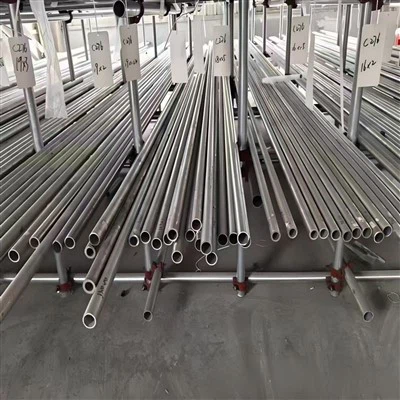
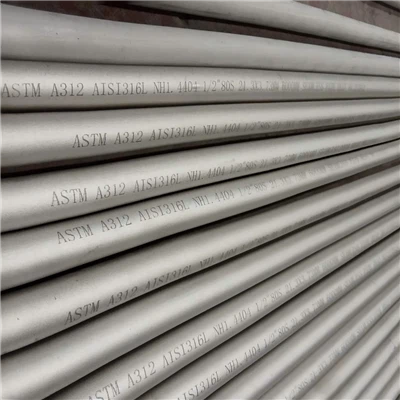
ASTM A53 carbon steel pipes are widely used in construction, industrial, and utility projects. Hot-dip galvanizing (HDG) is the most common surface protection method, providing for steel pipes exposed to the environment.
for A53 galvanized pipes.
Why Hot-Dip Galvanize ASTM A53 Pipes?
Zinc coating prevents rusting in outdoor, industrial, and marine environments.
HDG coating can last 20+ years in mild environments.
Covers internal and external surfaces of seamless (Type S) and ERW (Type E) pipes.
Reduces lifecycle maintenance compared to painted or bare steel.
Typical zinc coating thickness for A53 pipes: 40–100 μm, depending on service requirement.
ASTM A53 Pipe Types Suitable for HDG
| F | Seam welding may require touch-up on seams | |
| E | ||
| S |
cost-efficiency + uniform thickness.
, where uniform corrosion protection is required.
Hot-Dip Galvanizing Process Steps
Step 1: Surface Preparation
Remove oil, grease, and mill scale using alkaline solutions.
Acid bath (HCl or H2SO4) removes rust and mill scale.
Zinc ammonium chloride solution ensures uniform adhesion of zinc.
Step 2: Galvanizing
450℃ (840℃F).
zinc-iron alloy layers.
40–100 μm, depending on pipe size and service.
Step 3: Cooling & Inspection
Pipes are air or water-cooled.
Check for coating thickness, continuity, and defects.
Touch-up: Minor areas can be coated with zinc-rich paint if necessary.
| 40–100 μm standard; thicker for marine or chemical environments | |
| HDG slightly increases OD (~0.1–0.2 mm) | |
| Max 200–250℃ for zinc coating; higher may reduce corrosion protection |
Common ASTM A53 HDG Applications
Oil & gas low-pressure transport lines
Hot-dip galvanizing is generally not used for high-temperature pressure pipelines (use Type S seamless + special coatings instead).
Typical HDG QA for ASTM A53 pipes includes:
Check for blisters, bare spots, drips.
Magnetic or micrometer gauges.
Bend test or pull-off test on sample.
ASTM A123 / ISO 1461 compliance reports.
Engineering Advantages of HDG A53 Pipes
Durable & Cost-Effective: